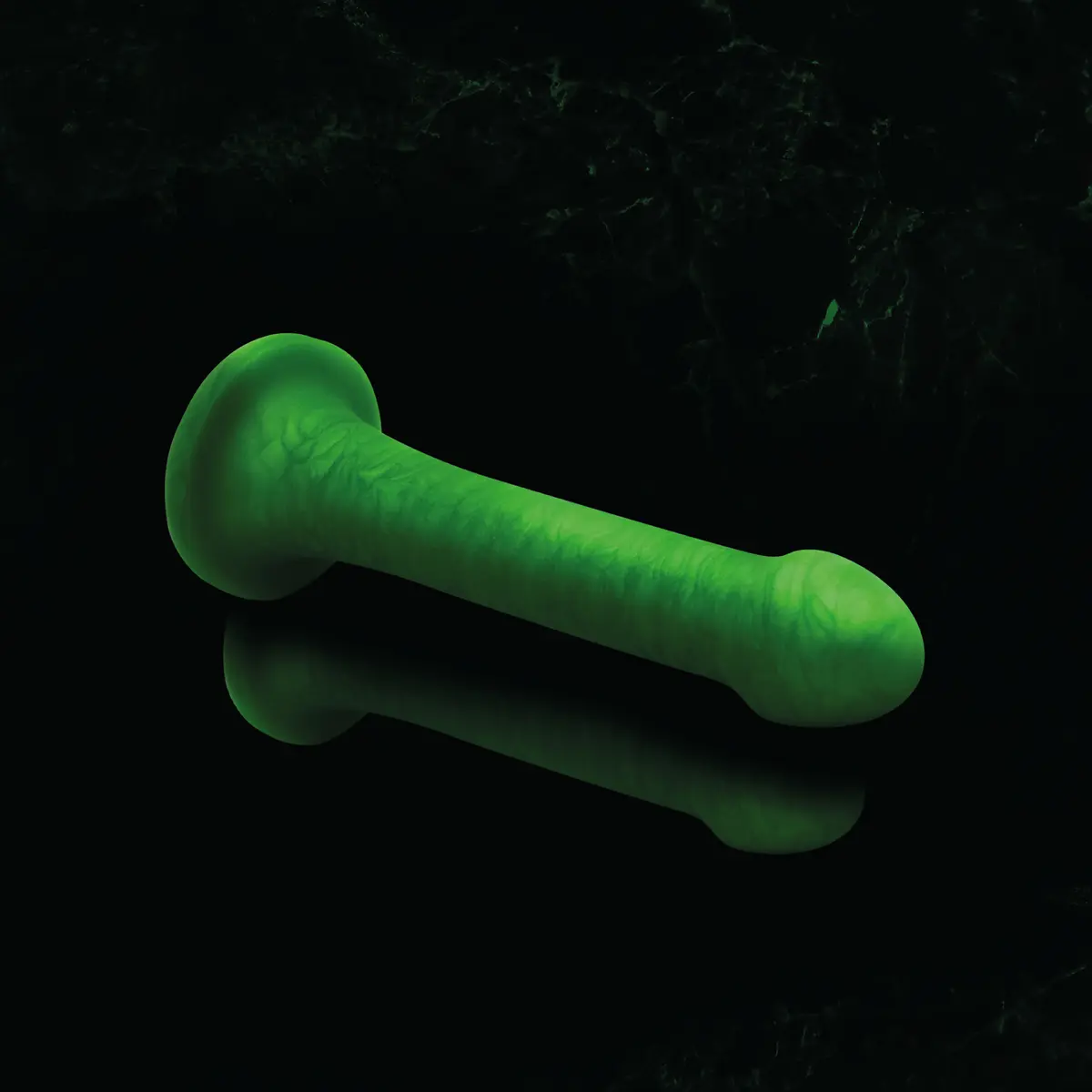
Buying a Dildo: What You Really Need to Know
PVC, TPE, jelly, silicone or wood: learn which materials to avoid, which are worth it and what to look for when buying.
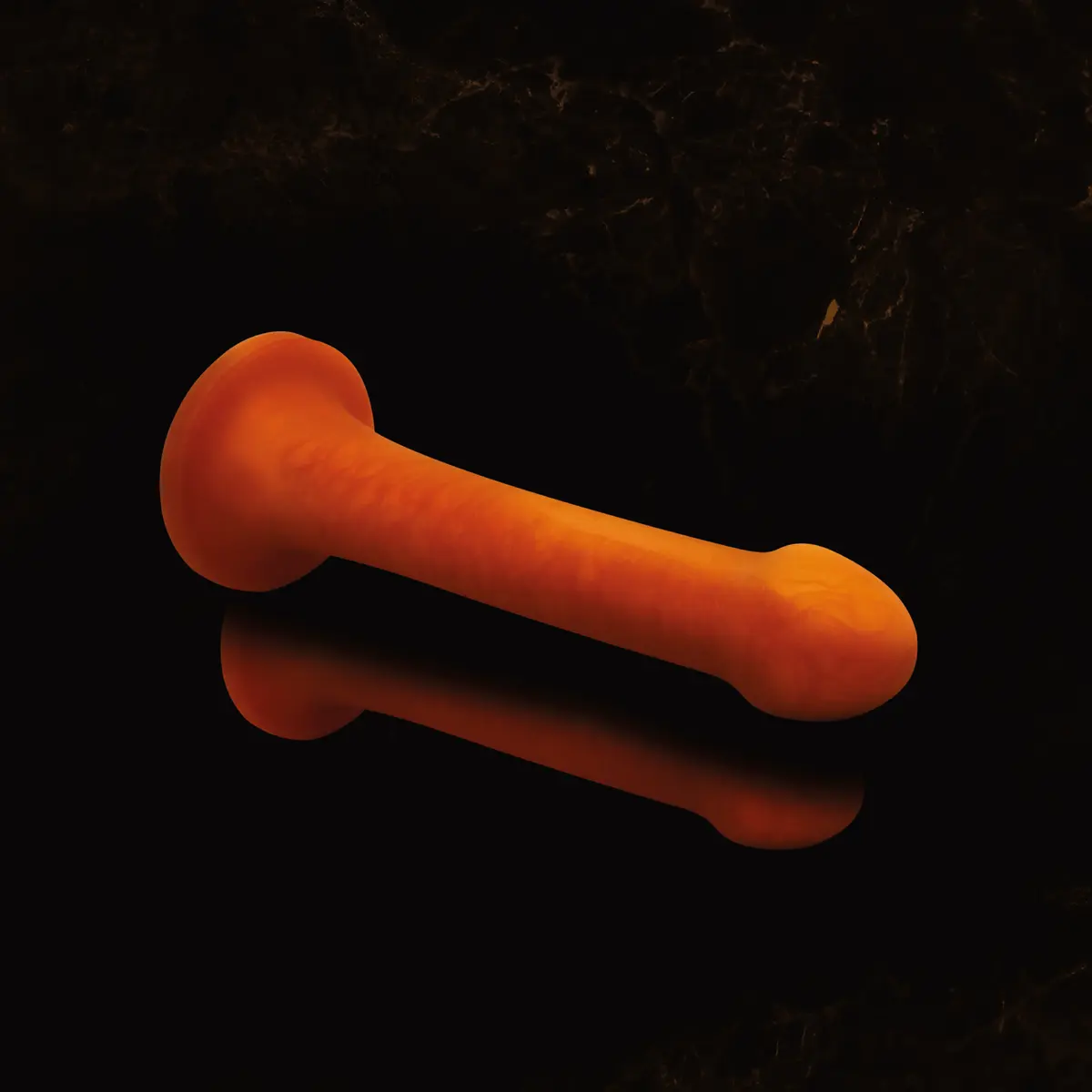
You want to buy a dildo, but the selection is huge and confusing. How do you know which material is any good? Not every material is one you'd want against your body. In this guide you'll learn what to look out for.
Material – The Most Important Factor
The material decides hygiene, durability and feel. Sex toys have no certification requirement of their own, the way medical devices do. The general EU rules on product safety and chemicals (REACH) apply, but what is actually in a toy is rarely printed on the box. That is why it helps to know the materials.
Materials to Avoid
PVC (Polyvinyl Chloride) ❌
PVC is naturally hard. To make it soft, plasticizers are added, for a long time mainly phthalates, some of which are suspected of acting on hormones. Since July 2020, four of them (DEHP, DBP, BBP, DIBP) must stay below 0.1% of plasticized materials in the EU, individually or combined. Other plasticizers are not covered by that limit. PVC dildos often smell of chemicals.
TPE / TPR (Thermoplastic Elastomers) ❌
Often marketed as "silicone" but isn't silicone. TPE is porous: germs can settle in the surface and are hard to remove completely. It can't be boiled or put in the dishwasher.
Jelly Rubber ❌
A soft, often colorful material that frequently contains plasticizers. It smells of chemicals, turns sticky and breaks down over time. Best avoided.
"Cyberskin" / "Realskin" ❌
Marketing names for TPE. Sounds premium, but it is porous and can't be boiled.
Recommended Materials
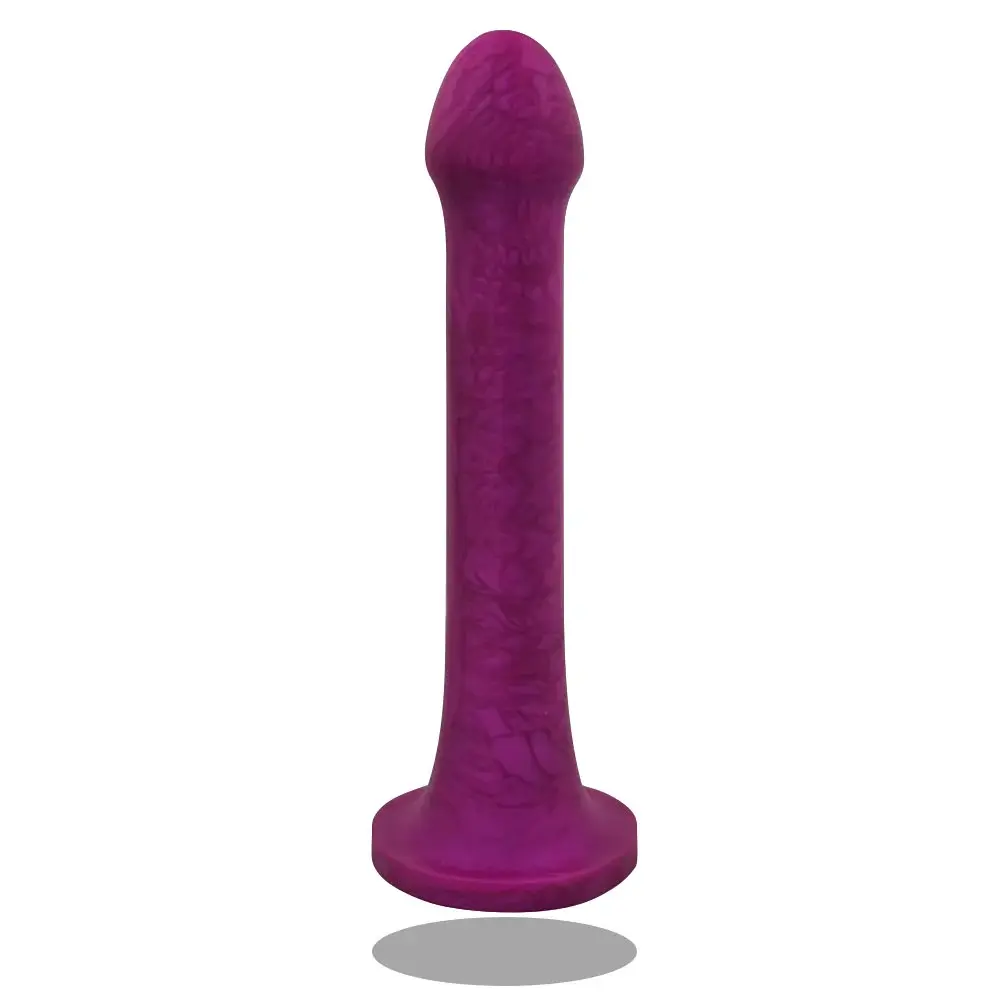
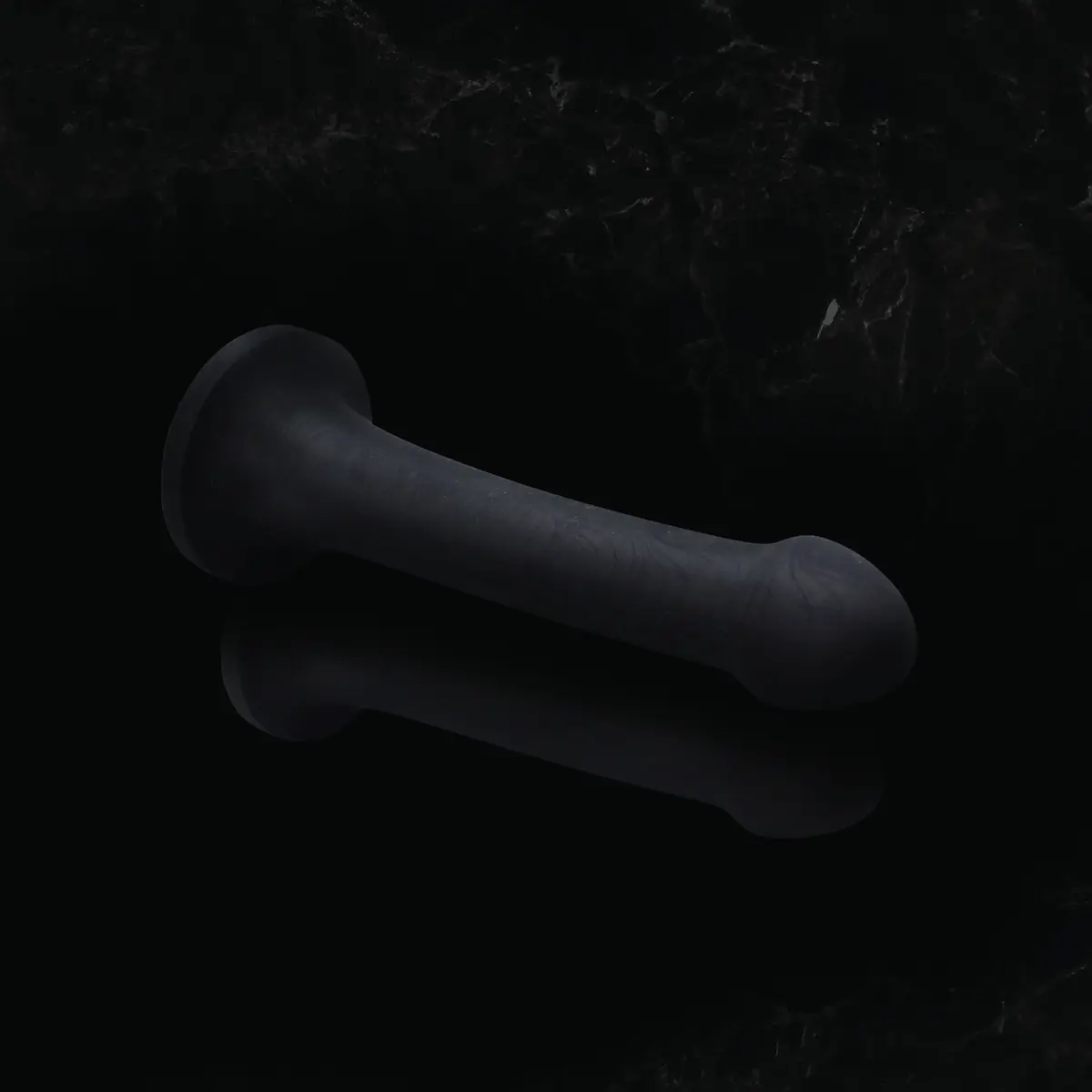
Platinum-Cure Silicone ✅ (Gendoras Standard)
Platinum-cure silicone cures with a platinum catalyst without byproducts and holds its shape. Gendoras silicone dildos are dishwasher safe and boilable.
At Gendoras: silicone dildos in 5 hardness levels. More: Platinum-cure silicone explained
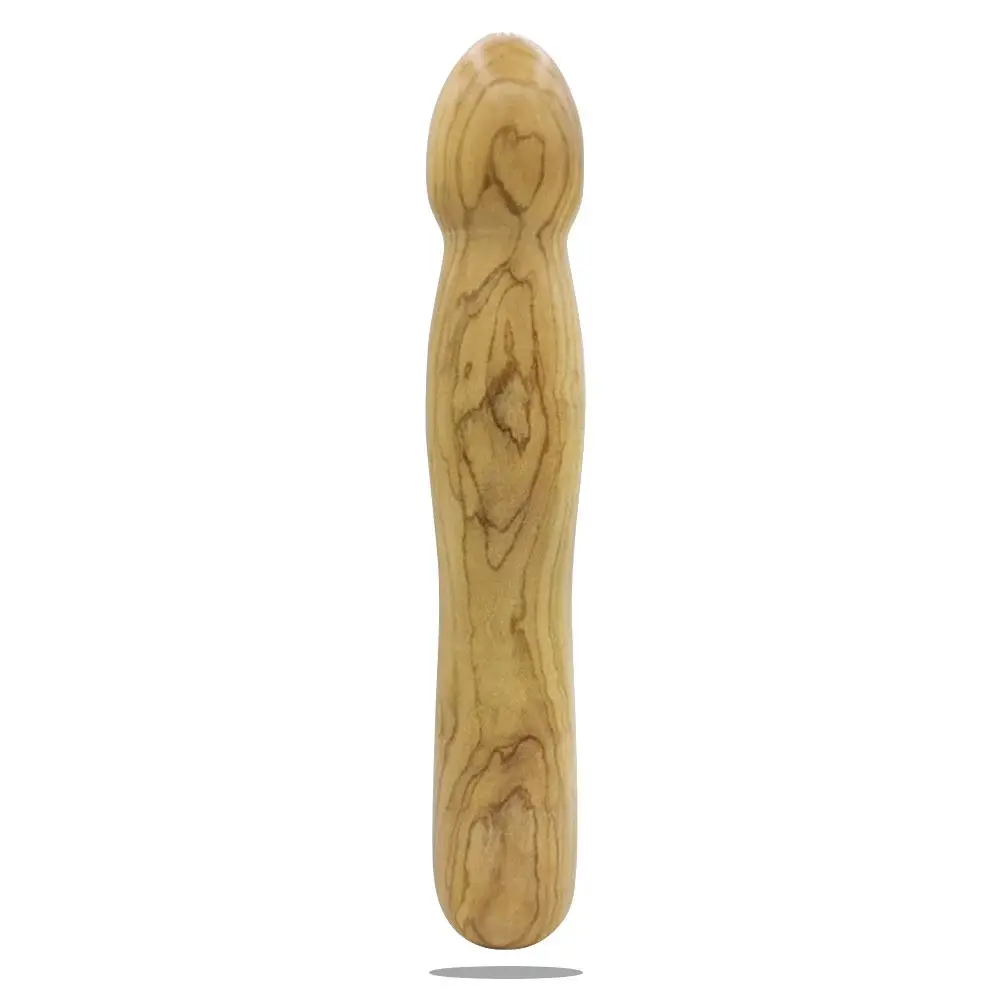
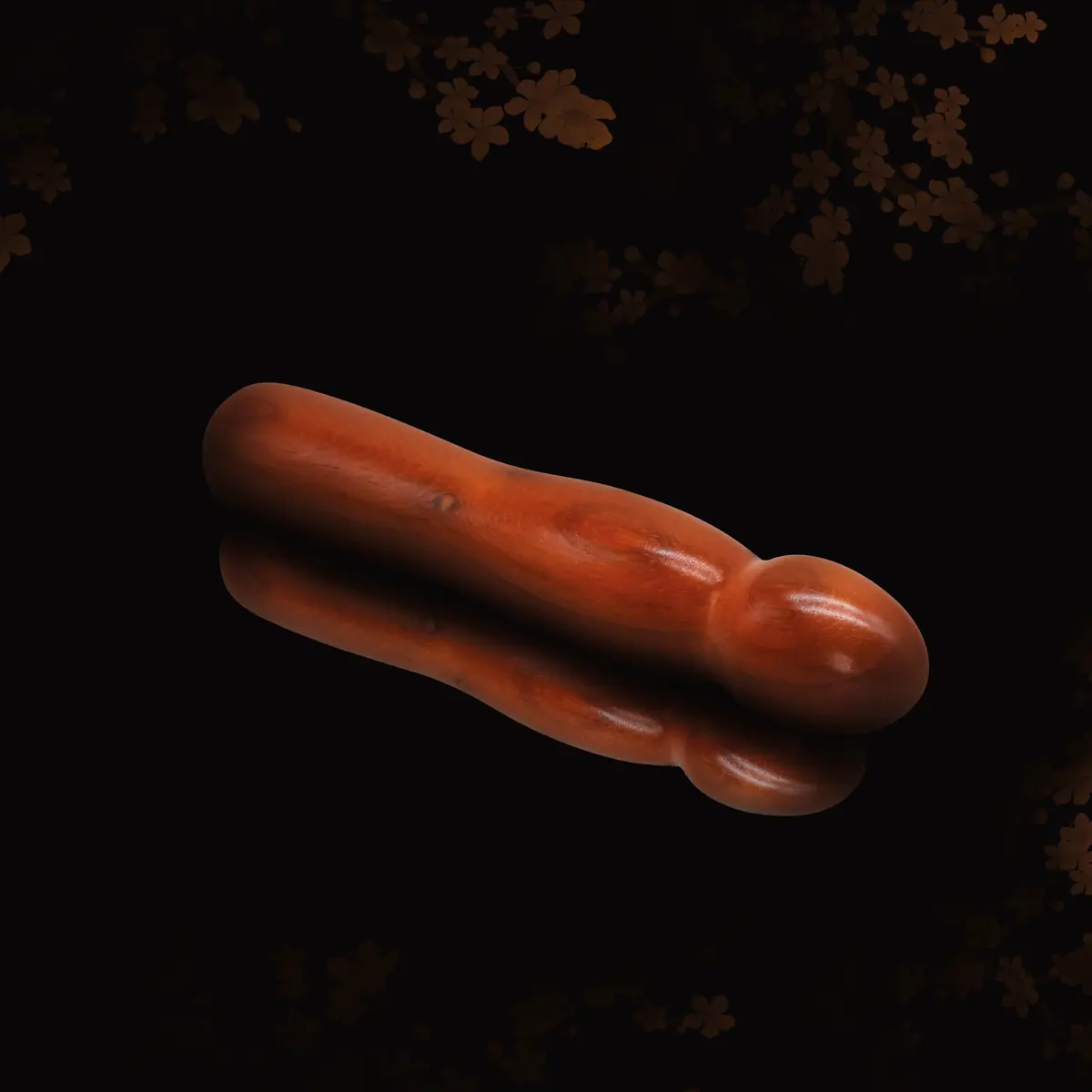
Sealed Wood ✅ (Gendoras Standard)
Solid wood sealed with a lacquer tested to DIN EN 71-3. The smooth, closed surface feels naturally warm. Check it before each use and stop using the dildo if the lacquer is damaged.
Our wooden dildos. Details: Wooden dildo buyer's guide
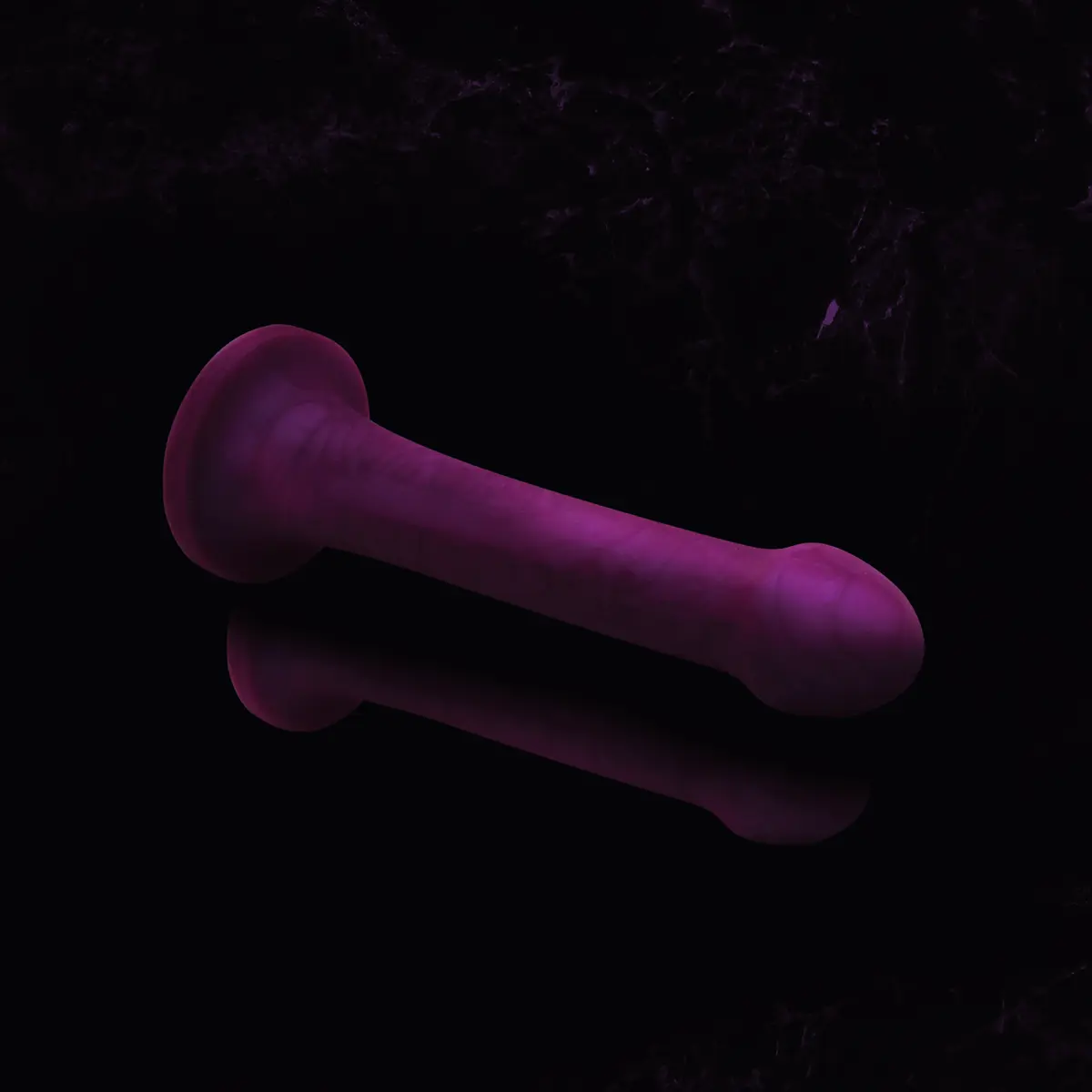
Finding the Right Hardness
Super Soft (00-30): Beginners. Medium (A10): The middle ground. Extra Firm (A30): Experienced. Details: Hardness guide
Origin & Transparency
Not every sex toy makes it clear who is behind it or what exactly is inside. At Gendoras you know what you get: designed by Gendoras, handcrafted in Austria, with the material clearly named and a company based in the EU (Gendoras e.U., Ferlach, Austria).
Strap-On Compatibility
Need a strap-on dildo? Look for a wide, flat base. All Gendoras silicone dildos are strap-on compatible. Wooden dildos are not.
Care Basics
Silicone: Warm water + soap, dishwasher, or boil. Water-based lube only.
Wood: Warm water + mild soap. Don't boil. Water-based lube only. Store dry.
Details: Care guide
Checklist: What to Look For
✅ Check material: Platinum-cure silicone, wood with a tested lacquer (for example to DIN EN 71-3), stainless steel, or borosilicate glass.
❌ Avoid: PVC, TPE/TPR, Jelly Rubber, "Cyberskin", "Realskin".
✅ Check the details: Is the material named precisely, for example platinum-cured silicone? Vague terms without details tell you little.
✅ Origin: A maker or seller based in the EU and a traceable origin.
✅ Hardness: Beginners = soft, experienced = medium to firm.
FAQ
By the material: platinum-cure silicone, wood with a tested lacquer (for example to DIN EN 71-3), stainless steel or borosilicate glass are good choices. Avoid PVC, TPE and jelly. Make sure the material is named precisely and that you know who is behind the product.
That depends on the material, not the price. TPE is porous, soft PVC needs plasticizers. If the material isn't stated precisely, you don't know what you're buying.
Platinum-cure silicone can be boiled, TPE can't. TPE is also porous (germs can settle in) and is often falsely marketed as silicone.
Platinum-cured silicone costs many times more than TPE, and every piece is made by hand in Austria. In return you get a toy that lasts for years with proper care.
A super soft silicone dildo (Shore 00-30) – yielding, adaptable, easy to clean. Or an olive wood dildo for a natural, warm feel.